Course Content
Module 1: USD Index, Correlations, and Global Markets
Gain an institutional perspective on the markets with macro-level forex analysis. Learn to use the US Dollar Index, track currency correlations, and understand how bonds, stocks, and commodities interact with the forex market. We’ll also explore how global economic indicators from the US, Eurozone, UK, and Japan influence currency price movements
0/17
Module 2: Trading Plans, Discline, and Trading Styles
In this module, you’ll design your own custom trading plan based on your goals, personality, and risk tolerance. We’ll cover different trading styles—scalping, day trading, swing trading, and position trading—along with how to create a mechanical trading system. By the end, you’ll have a clear, rules-based trading process that you can follow consistently.
0/16
Module 4: Trading Tips, Discipline, and Psychology for Success
Even the best strategy fails without the right mindset. In this final module, we focus on trading psychology, discipline, and performance tracking. You’ll learn how to avoid common trading mistakes, stick to your plan, and use a trading journal to refine your results over time. This is where you transform your skills into long-term trading mastery.
0/3
Forex Expert Course: Professional Risk Management and Trading Systems

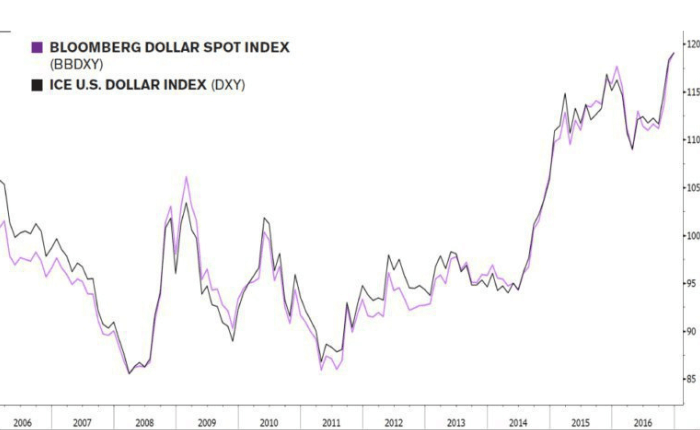
Bloomberg Dollar Spot Index

The Bloomberg Dollar Spot Index (BBDXY) tracks the performance of a basket of 10 global currencies against the U.S. dollar.
Its composition is updated annually and represents a diverse set of important currencies from a global trade and liquidity perspective.
Since other dollar indices (ahem…DXY) do not update their composition and are comprised of only a handful of currencies with concentrated weights, Bloomberg claims their index provides a better measure of the U.S. dollar.

BBDXY is more dynamic.

Unlike the DXY’s static composition, BBDXY is dynamic, with an annual rebalancing process that captures the changing state of currency markets.

This results in the index that includes important currencies (like the Australian dollar) that rank higher in liquidity and trading versus the Swedish krona.

Scroll to Top