Course Content
Module 1: USD Index, Correlations, and Global Markets
Gain an institutional perspective on the markets with macro-level forex analysis. Learn to use the US Dollar Index, track currency correlations, and understand how bonds, stocks, and commodities interact with the forex market. We’ll also explore how global economic indicators from the US, Eurozone, UK, and Japan influence currency price movements
0/17
Module 2: Trading Plans, Discline, and Trading Styles
In this module, you’ll design your own custom trading plan based on your goals, personality, and risk tolerance. We’ll cover different trading styles—scalping, day trading, swing trading, and position trading—along with how to create a mechanical trading system. By the end, you’ll have a clear, rules-based trading process that you can follow consistently.
0/16
Module 4: Trading Tips, Discipline, and Psychology for Success
Even the best strategy fails without the right mindset. In this final module, we focus on trading psychology, discipline, and performance tracking. You’ll learn how to avoid common trading mistakes, stick to your plan, and use a trading journal to refine your results over time. This is where you transform your skills into long-term trading mastery.
0/3
Forex Expert Course: Professional Risk Management and Trading Systems

Leverage Explained

What is leverage?

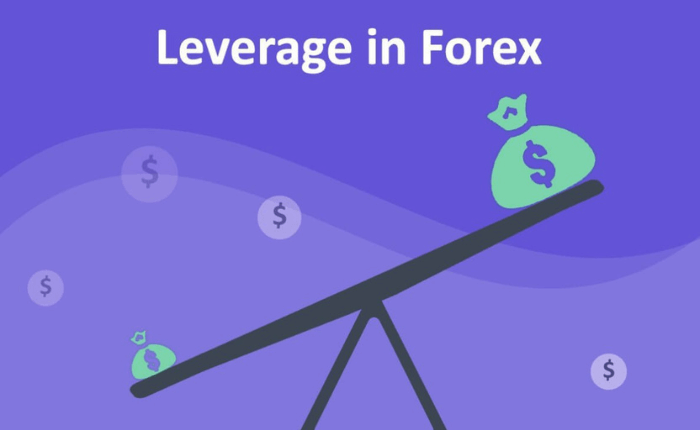
We know we’ve tackled this before, but this topic is so important, we felt the need to discuss it again. The textbook definition of “leverage” is having the ability to control a large amount of money using none or very little of your own money and borrowing the rest.

Forex Leverage example, to control a $100,000 position, your broker will set aside $1,000 from your account. Your leverage, which is expressed in ratios, is now 100:1. You’re now controlling $100,000 with $1,000. Let’s say the $100,000 investment rises in value to $101,000 or $1,000. If you had to come up with the entire $100,000 capital yourself, your return would be a puny 1% ($1,000 gain / $100,000 initial investment). Fortunately, you’re not leveraged 1:1, you’re leveraged 100:1. The broker only had to put aside $1,000 of your money, so your return is a groovy 100% ($1,000 gain / $1,000 initial investment). Now we want you to do a quick exercise. Calculate what your return would be if you lost $

Scroll to Top